The safest way to choose a gift is not to predict what will be popular next week. Start with what the recipient already does, where they spend their time and how they like to play, relax or make things. Then choose one of three lanes: a practical upgrade, a fun surprise or a keepsake with clear personal relevance.
If they already own the obvious gadget, skip the slightly newer version. Choose an adjacent gift that makes the existing hobby, routine or set-up more useful, social or personal. That approach works for children, teens and playful adults-and requires far less trend detective work.
Use the RIPPLE check instead of chasing trends
Trends can provide clues, but they are unreliable foundations for a gift. They move quickly, vary between friendship groups and often tell you more about the algorithm than the person. A better starting point is recipient fit: the match between the gift and the recipient's actual life.
The RIPPLE check is a practical, directional filter rather than a scientific scoring system. Run through it before browsing:
| Signal | Details |
|---|---|
| R - Routine |
What to look for: What they do after school, work or dinner; what travels in their bag; where they linger at home What it helps you avoid: Gifts that suit an imaginary lifestyle |
| I - Interest clue |
What to look for: Subjects, activities, colours or themes they mention more than once What it helps you avoid: Betting everything on a passing obsession |
| P - Play style |
What to look for: Solo, social, competitive, creative, physical or puzzle-led What it helps you avoid: Giving a loud party game to a quiet solo puzzler |
| P - Place |
What to look for: Bedroom, desk, lounge, kitchen, garden, car or travel bag What it helps you avoid: Clutter, awkward storage and nowhere-to-use-it gifts |
| L - Limits |
What to look for: Budget, age guidance, household rules, space and time available What it helps you avoid: Compatibility surprises and overcomplicated set-up |
| E - Existing stuff |
What to look for: Gadgets, games, collections, tools and accessories they already use What it helps you avoid: Duplicating the basic item instead of improving the experience |
You do not need a detailed dossier. Two or three solid observations are enough. "They draw at the kitchen table, prefer solo activities and have limited storage" is far more useful than "people their age like this".
Once you can describe the routine and likely use in one sentence, explore a gift guide organised for useful discovery rather than opening twenty tabs labelled with this month's hot thing. The goal is not trend immunity; it is a gift that still makes sense after the trend has wandered off.
Match the gift to life stage without relying on age stereotypes
Age matters for safety, complexity and independence, but it should not dictate personality. Two children of the same age may have completely different patience, confidence and play styles. Likewise, one teen may want a shared game while another wants something useful for a carefully curated desk. A "big kid" might mean a nostalgic adult, an enthusiastic hobbyist or the first person volunteering for game night.
Use capability and context alongside the manufacturer's age guidance:
| Recipient mode | Details |
|---|---|
| Adult-supported play |
Useful clues: Enjoys pretend play, building or making with company Strong gift direction: Open-ended play sets, simple creative activities and durable role-play pieces Main watch-out: Small parts, supervision needs and lengthy assembly |
| Independent explorer |
Useful clues: Repeats projects, puzzles or experiments without prompting Strong gift direction: Construction, observation, strategy and skill-building categories Main watch-out: Choosing difficulty for age rather than demonstrated ability |
| Identity-led teen |
Useful clues: Cares about their room, bag, friends, hobbies or personal routine Strong gift direction: Desk helpers, portable practical gifts, social games and carefully chosen statement pieces Main watch-out: Looking childish, invading privacy or requiring an unwanted app |
| Playful adult |
Useful clues: Hosts, collects, tinkers, travels or keeps a nostalgic streak alive Strong gift direction: Games, hobby-adjacent utilities, display pieces and clever home or desk objects Main watch-out: Duplicate items, novelty without use and excessive display footprint |
This framework also respects changing independence. A gift for a child may need to work with an adult present. A teen's gift should usually give them some control over when and how it is used. A playful adult may appreciate the silliness but still expect the object to earn its cupboard, shelf or desk space.
For households that already gather around a table, family games and shared activities can cross age groups more gracefully than a tightly age-coded gift. Check player count, play time and complexity first; "family" is a use case, not a guarantee that everyone enjoys the same level of chaos.
Compare practical, playful and keepsake gift paths

Most promising ideas fit one of three paths. Choosing the path before the product reduces category trade-offs and stops a broad search from becoming a digital wander through every mug, gadget and mysterious desk object ever made.
| Gift path | Details |
|---|---|
| Practical upgrade |
Best when: You know a repeated routine but not a precise interest Category examples: Desk organisation, travel helpers, drinkware, lighting and kitchen utilities Trade-off: Low compatibility risk, but it can feel impersonal if the use case is vague |
| Fun surprise |
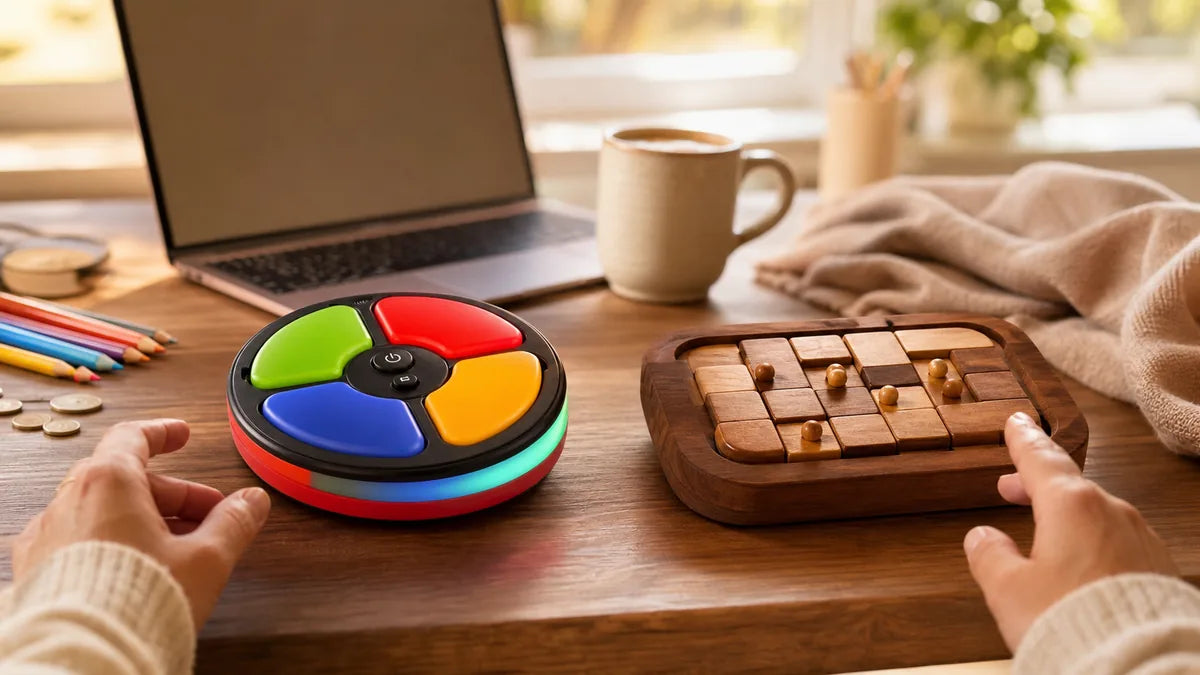
Best when: They enjoy games, novelty, puzzles or shared reactions Category examples: Tabletop activities, tactile desk objects, outdoor play and amusing-but-usable accessories Trade-off: Memorable when the humour and difficulty land; awkward when they do not |
| Keepsake or statement |
Best when: You know their taste, fandom, collection or nostalgia lane Category examples: Display pieces, decorative objects, bookends, frames and collector-room accessories Trade-off: High personal impact, but greater risk of duplicates, clutter or taste mismatch |
The sweet spot often combines two signals:
- Practical plus personal: a routine helper chosen for the way they actually study, travel, cook or organise.
- Playful plus usable: a curious object that creates a reaction and then continues earning its place.
- Keepsake plus permission: a statement piece for someone who actively displays or collects, with suitable space available.
- Shared plus repeatable: an activity that fits their real group size and can return to the table after the first outing.
Do not automatically equate "surprising" with "random". Novelty works when there is a reason to care: it improves a familiar ritual, invites interaction or reflects a known bit of personality. Randomness is just clutter wearing a party hat.
If they already own the basic gadget, move sideways
Buying a second basic gadget is tempting because the category feels familiar. The problem is that tech and hobby equipment often hide specifications, ecosystem preferences and strong opinions. Unless you know the exact need, an adjacent gift is usually more thoughtful than a speculative replacement.
Use the existing object as evidence of a routine, then support the routine:
| If they already have this | Details |
|---|---|
| Phone or tablet |
Choose this direction instead: Stand, desk organiser, room-lighting accent or screen-free desk activity Why it can be better: Improves where and how the device is used without replacing it Check before buying: Device dimensions, charging access and available desk space |
| Console or gaming device |
Choose this direction instead: Shared tabletop game, puzzle or lounge set-up helper Why it can be better: Adds a different kind of play instead of guessing their hardware preferences Check before buying: Group size, game complexity and whether they prefer solo play |
| Headphones or speaker |
Choose this direction instead: Storage, a stand or a non-electronic hobby companion Why it can be better: Supports the set-up without risking audio specifications Check before buying: Size, portability and whether it would create extra clutter |
| Water bottle or travel mug |
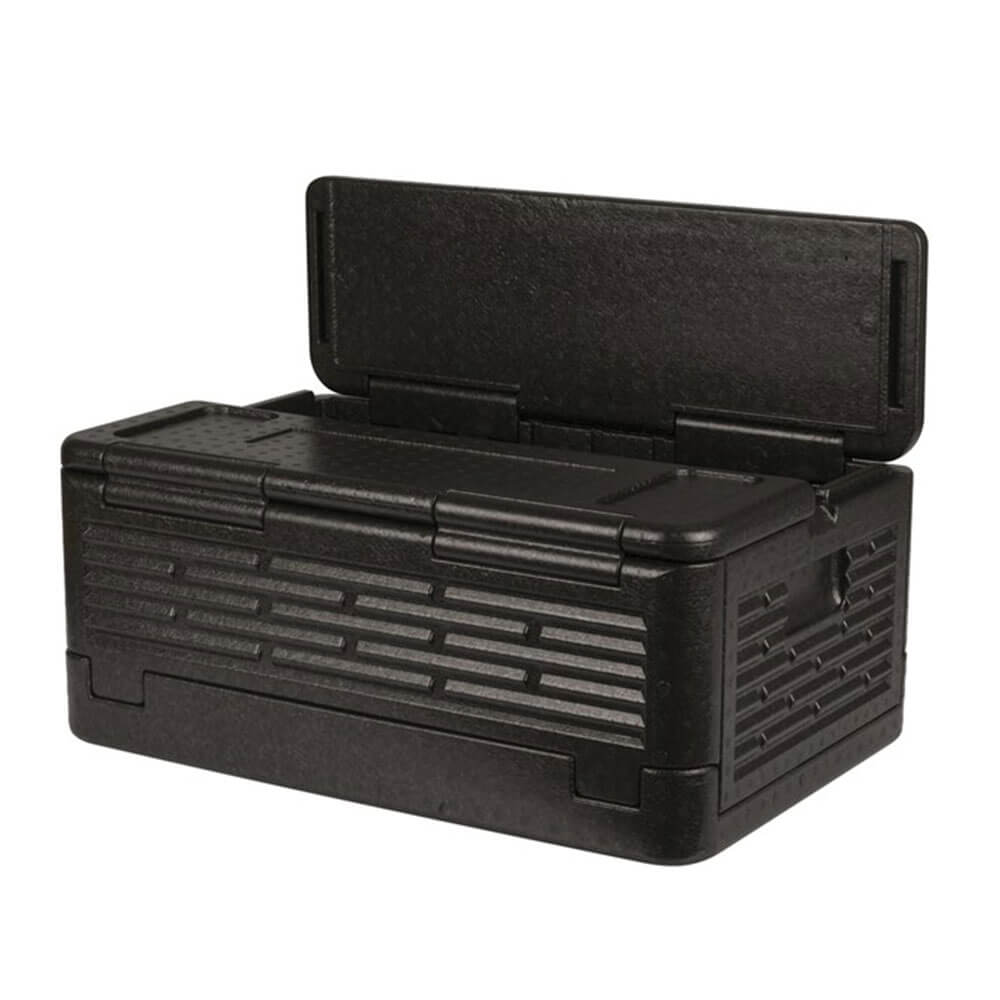
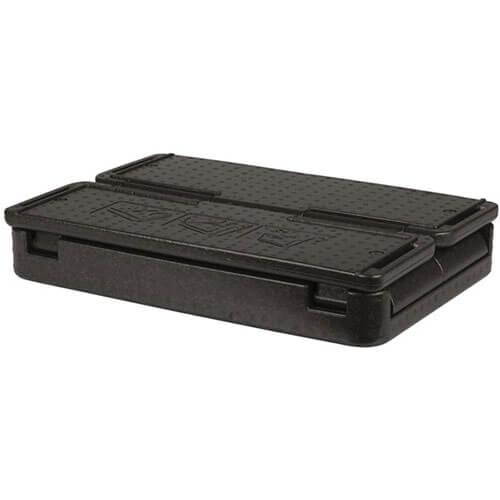
Choose this direction instead: Cooler bag, picnic helper, packing organiser or travel accessory Why it can be better: Expands the routine beyond owning another vessel Check before buying: Cleaning, storage and the trips they actually take |
| Stack of games |
Choose this direction instead: Strategy puzzle, tabletop organiser or game-night accessory Why it can be better: Adds variety or improves play rather than duplicating a title Check before buying: Existing collection, table space and preferred player count |
| Display collection |
Choose this direction instead: Lighting, bookends, risers or dust-conscious storage Why it can be better: Supports the collection without guessing a character or edition Check before buying: Shelf dimensions, weight, power access and display preference |
| Basic kitchen gadget |
Choose this direction instead: Prep tool, serving accessory or activity-led kitchen helper Why it can be better: Builds on a known cooking habit rather than adding another general appliance Check before buying: Cleaning effort, cupboard space and actual cooking style |
If the recipient genuinely wants tech, browse electronics and gadgets by use case, then apply three checks: compatibility, power or battery requirements, and whether it improves something they already do. A feature list is not the same as relevance.
This sideways move also feels more personal. "I noticed you always sketch beside your laptop, so I chose something for that space" has more gift logic than "this one has another button".
Let occasion pressure and budget comfort set the boundaries

Set budget comfort before you browse. A sensible limit helps you compare ideas by fit instead of slowly upgrading every candidate until a casual gift has become a major infrastructure project. A smaller, well-observed gift can outperform a larger object that needs storage, configuration and a polite expression of surprise.
Then account for occasion pressure:
- Casual birthday or small thank-you: favour immediate use, modest footprint and low compatibility risk.
- Milestone occasion: add a stronger personal signal, better presentation or lasting use-but only when you know the recipient's taste.
- Family celebration: shared activities and household-friendly gifts can work well, provided the named recipient still feels considered.
- School, club or workplace exchange: keep humour public-safe, avoid personal-care assumptions and choose something easy to understand.
- Long-distance gift: prioritise simple set-up and avoid items that need you present to explain the joke.
For a modest spend, start with gift ideas under $30 and filter them through routine, personality and place. The budget collection narrows the field; it does not replace the recipient check.
Relationship closeness matters too. Parents and close relatives may know which hobby upgrade is welcome. A family friend may be better choosing a low-risk activity, practical helper or small playful object. Spend should reflect the relationship and occasion, not an imaginary scoreboard.
Run a buyer-confidence check before committing
A good candidate should survive four questions: who it suits, who should skip it, what could go wrong during set-up, and what to choose if they already own the obvious item. This compact buyer-confidence module makes those risks visible before enthusiasm takes the wheel.
| Path | Details |
|---|---|
| Practical adjacent gift |
Who it suits: Someone with a visible routine at a desk, in the kitchen, outdoors or while travelling Who should skip: Someone who dislikes functional gifts or already has a tightly organised set-up Set-up or compatibility risk: Dimensions, power, cleaning and storage If they already have X, choose Y instead: Already has the basic gadget? Choose a low-tech organiser, stand or activity tied to the same routine |
| Shared activity |
Who it suits: Social recipients, hosts or families with a regular group Who should skip: Strong solo players or households with little shared time Set-up or compatibility risk: Player count, reading level, rules complexity and play duration If they already have X, choose Y instead: Already owns many board games? Choose a puzzle, outdoor activity or game-night helper |
| Creative or open-ended gift |
Who it suits: Makers, builders and recipients who enjoy repeating projects Who should skip: Anyone who prefers a clear finish or has little workspace Set-up or compatibility risk: Small components, mess, tools and adult assistance If they already have X, choose Y instead: Already has a starter set? Choose storage, a different technique or a display solution |
| Keepsake or statement piece |
Who it suits: Collectors and recipients with a known display style Who should skip: Minimalists, frequent movers or people whose taste you only vaguely know Set-up or compatibility risk: Footprint, fragility, duplicate risk and care If they already have X, choose Y instead: Already has the obvious character or theme? Choose display support or a subtler nostalgia cue |
Finish with a quick risk filter:
- Does the age or safety guidance suit the recipient?
- Will it fit the room, shelf, bag or table where it will be used?
- Does it require batteries, an app, internet access or a particular device?
- Is the humour appropriate for the relationship and setting?
- Could it duplicate an existing game, collectible or gadget?
- Can the recipient understand and use it without a lengthy rescue mission?
- Does the gift create ongoing storage, cleaning or maintenance work?
One small unknown may be acceptable. Three unknowns means you are no longer choosing; you are conducting an experiment with wrapping paper.
Use a safe fallback path when preferences are unknown

When you know almost nothing, do not guess a trend more aggressively. Use a safe fallback path built around low compatibility risk and obvious first use.
Choose something that:
- Fits a setting you can reasonably infer, such as a desk, lounge, travel bag or shared table.
- Works without a particular device, size, subscription or specialist knowledge.
- Can be understood and used quickly.
- Has a manageable footprint.
- Does not depend on intimate taste, risky humour or a precise fandom.
- Offers either repeat practical use or an easy shared moment.
A simple game or puzzle can suit a social household. A compact desk or travel helper may suit a more independent recipient. A playful everyday utility can land between sensible and surprising without demanding that you know their current favourite character.
If you need a candidate pool, compare top-selling gift categories and ideas, but treat popularity as a starting clue-not proof of fit. Apply the RIPPLE check before choosing. The crowd does not know what is already hiding in their cupboard.
Frequently asked questions
What is the safest gift when I do not know a child's current interests?
Choose an open-ended activity or practical-play category with clear age guidance, simple set-up and low dependence on a specific character or trend. Building, creating, observing and shared play can offer more than one route into the gift. Check supervision needs, small parts, available space and whether the household welcomes messier activities.
How do I choose a gift for a teen without making it feel childish?
Focus on autonomy, routine and presentation rather than an age label. Look at how they use their desk, room, bag, hobbies or time with friends. Portable practical gifts, low-pressure games, useful room accessories and hobby-adjacent items can work when they respect the teen's taste. Avoid guessing at fashion, fandom or tech specifications without evidence.
Should I buy tech for someone who already owns several gadgets?
Only when you know the exact compatibility and the missing function. Otherwise, move sideways: improve the desk, storage, travel routine, social experience or hobby surrounding the gadget. An adjacent gift can acknowledge their interest without asking you to choose between ports, platforms and preferences you did not know existed.
How much should I spend on a gift for a kid, teen or playful adult?
There is no universal amount. Set a figure that suits your relationship, the occasion and your own budget comfort. Then look for the strongest recipient signal within it. A modest gift linked to a real routine generally feels more considered than an expensive object chosen because it occupied the largest box.
Are keepsakes a good fallback gift?
Usually not when preferences are unknown. Keepsakes work best when you understand the recipient's taste, collection and available display space. If those details are fuzzy, choose a useful or activity-led gift instead. For an established collector, display support may be safer than guessing another piece for the collection.
Choose the next useful surprise
You do not need to know the next trend. You need one real clue: what they do, where they do it or what they already own. Add a sensible budget and one risk limit, then choose the practical, playful or keepsake lane that fits.
That is the useful browse-path CTA: pick one known routine, compare only gifts that support it and skip anything requiring three heroic assumptions. When you are ready, browse LatestBuy gifts by recipient, occasion and idea-and follow the path that sounds most like the person, not the algorithm.
For the next browse step, compare the fit against electronics and gadgets.