Choose stocking fillers by what someone actually does: the games they reach for, the bag they carry, the hobby spread across the table. A small gift becomes useful when it fits a recognisable moment - not simply because it fits inside a stocking.
For children, follow their style of play. For teens, pay attention to current tastes. For adults, look for everyday rituals, shared jokes and specific interests. Then check size, budget and any setup involved. The aim is a small surprise with somewhere to belong, rather than another recruit for the junk drawer.
Children: follow how they play, not just their age
The most revealing clue is what a child chooses when nobody is directing the activity. Do they draw, build, invent stories, solve things or persuade everyone else to join in? Age suitability comes first, but play style helps distinguish a gift they will enjoy from one they will politely abandon.
Match the category to that behaviour:
- The maker: small drawing or craft supplies that suit their ability and can be used without a major shopping trip for extras.
- The problem-solver: a compact puzzle with a realistic challenge level, rather than something chosen because it looks impressively difficult.
- The organiser of everyone's fun: a small, self-contained game that works with the people usually around them.
- The storyteller: an age-appropriate play item that supports their existing imaginary worlds without requiring a whole new collection.
For shared play, browse Family Games with the actual household in mind. Check player numbers, reading demands and playing time. A game for several players may be less useful to a child who mainly plays with one adult; a quiet solo puzzle may be a better fit.
For younger children, small gifts need particular care. Follow the manufacturer's age guidance and warnings, especially around small parts, magnets and button batteries. Consider younger siblings who may get hold of the gift, too.
Avoid the Christmas-morning project trap: a gift requiring lengthy assembly, missing supplies or constant adult intervention is a different proposition from something a child can enjoy straight away. Neither is automatically wrong - but know which one you are giving.
Teens: take their current tastes seriously
Teenagers' belongings often provide better clues than a broad label such as "sporty" or "into tech". Notice what they customise, carry and display. A heavily decorated bag suggests different possibilities from a carefully uncluttered desk. Someone who fills notebooks may appreciate stationery; someone who leaves every notebook untouched probably does not need an inspirational new one.
Small desk accessories, bag organisers, compact puzzles and practical stationery can all work when they reflect a real habit. Colour and design matter here. "Useful" does not cancel out "I would never choose that".
For someone who enjoys gadgets, electronics and gadgets is a relevant browsing path - but liking technology does not make every small electronic item a good gift. Check connections, device compatibility and power requirements before choosing. A present that needs an account, an app or additional equipment brings more commitment than a self-contained desk accessory.
Fandom can also be a strong clue, provided it is current and specific. Confirm the character, series or design they actually like. Yesterday's obsession is not always today's stocking filler.
If their preferences are hard to read, ask someone close to them about one concrete detail: their preferred colours, current hobby or most-used bag. You do not need a complete personality briefing. One accurate clue is more useful than five age-based guesses.
Partners, parents and grandparents: choose for a familiar ritual

Close relationships give you an advantage: you have probably seen the moment a gift could improve. Think of a partner unpacking their work bag, a parent settling down with a puzzle, or a grandparent preparing their favourite afternoon drink.
The strongest practical gifts recognise a chosen pleasure or a genuine irritation. They should not turn Christmas into a performance review of someone's housekeeping.
For the person with a daily desk or reading ritual
Consider compact stationery, a bookmark, a small organiser or another simple accessory that suits how they already work or relax. Notice whether they prefer paper or screens, a clear surface or everything within reach.
A desktop item needs somewhere to live. For someone who works at a shared desk or reads around the house, portability may matter more than appearance. Avoid buying an organiser for a person whose current system looks chaotic to you but works beautifully for them.
For the cook, coffee enthusiast or keen host
Small preparation tools, drink accessories and compact kitchen helpers can be satisfying choices when you know the recipient's routine. Match the task: someone who enjoys baking has different needs from someone whose favourite kitchen activity is making one excellent cup of coffee.
Check cleaning instructions, materials and storage. A clever single-purpose tool earns its space only if they regularly do that task. For an enthusiastic cook, usefulness can be thoughtful; for someone who resents kitchen duties, another utensil may feel suspiciously like an assignment.
For the commuter or regular traveller
Small pouches, luggage identifiers and compact organisers suit people who repeatedly pack the same essentials. Look at how they travel: a backpack commuter, a weekend road-tripper and someone travelling with cabin baggage face different space constraints.
Choose something that solves an observed problem, not an imagined one. If they already have a packing system they love, an unfamiliar organiser may add steps rather than remove them.
Across all these relationships, avoid treating age as a diagnosis. Easy-to-read markings or comfortable handling may matter to a recipient of any age. Choose for the person's preferences and needs, not a stereotype about what parents or grandparents ought to appreciate.
Friends and colleagues: match the fun to the opening audience

A stocking filler for a close friend can celebrate a shared joke. A small workplace gift needs to make sense without private context. The distinction is less about how funny the item is and more about who will be standing nearby when it is opened.
For friends who regularly host, a compact game or playful drink accessory may have an obvious next outing. For a colleague whose desk habits you know, practical stationery or a small, unobtrusive desk item can feel considered without becoming overly personal.
Humour works best when it recognises something the recipient enjoys. It becomes riskier when it comments on their body, age, relationships, drinking or competence. A joke about a shared enthusiasm is usually easier to receive than a joke at someone's expense.
Also separate these situations:
- A close friend opening gifts privately: an established in-joke may be appropriate.
- A family gathering: choose humour that does not require an awkward explanation to the room.
- An office exchange: keep the gift suitable for the workplace, including anything printed on it.
- A shared activity gift: check that the content, player count and rules suit the likely group.
Do not assume an adult recipient wants alcohol-themed or risqué humour. "They can take a joke" is not much of a buying brief.
When you know someone only through work, stay with an observable preference rather than guessing at their private life. Their lunchtime puzzle habit is useful evidence; their job title alone is not.
Hobbyists and nostalgic types: the details are the gift
A strong interest makes browsing easier, but it can make the final choice trickier. Enthusiasts notice differences that casual buyers may miss: the wrong edition, an incompatible accessory, a duplicate or a design from the wrong era.
Listen for specifics. Someone who enjoys tabletop games may prefer short card games to long strategy sessions. A model-maker may enjoy detailed construction but have strong preferences about tools and materials. A person who loves an old television series may want an everyday reminder, not another object for a crowded shelf.
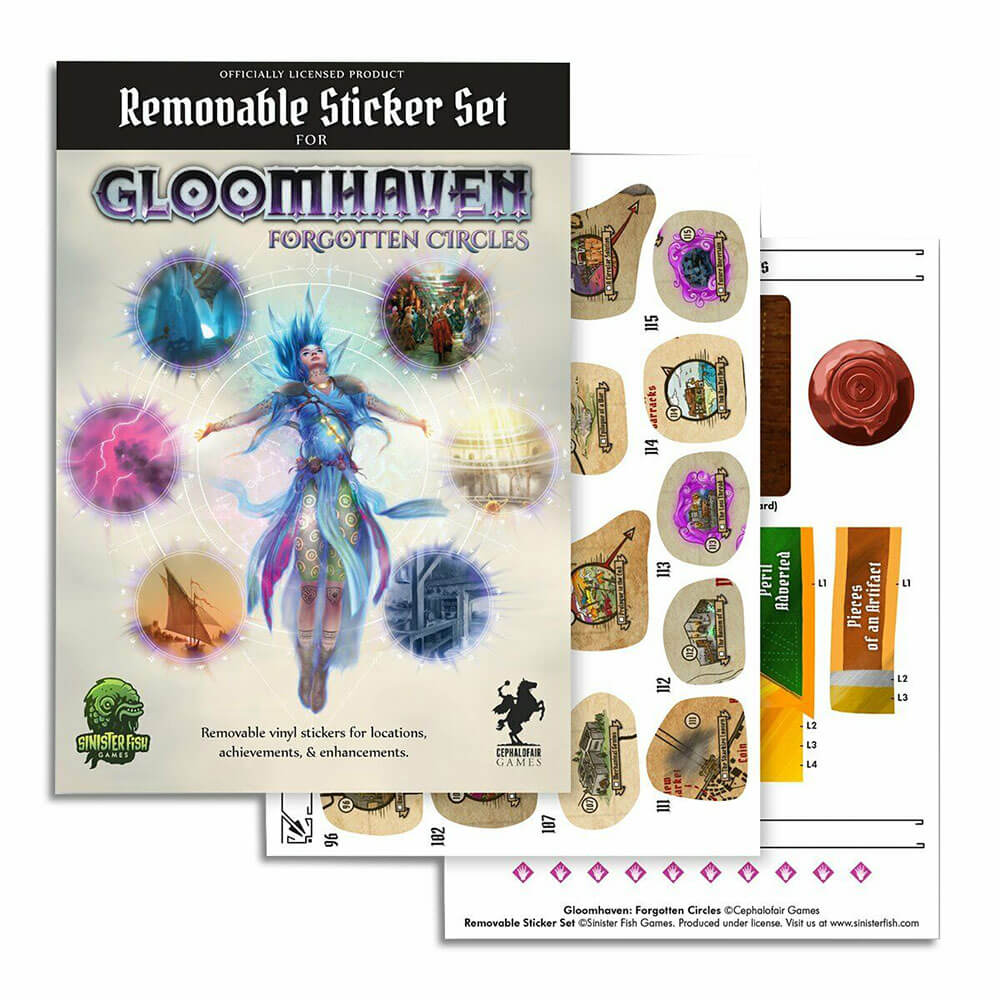
For gaming gifts, establish whether the item is standalone or an expansion. A small box is not proof that it works by itself. Expansions can be thoughtful when you know the exact game and edition the recipient owns; otherwise, you may be giving them homework with attractive packaging.
For collectibles and nostalgic décor, consider the home after Christmas:
- Is there room to display it?
- Do they keep items boxed or display them open?
- Would it duplicate something they own?
- Does it match the part of the hobby they actually enjoy?
Check the footprint of both the object and any packaging they intend to keep. Small collectibles can still demand surprisingly large amounts of shelf space.
If those details are uncertain, an everyday item carrying a well-understood nostalgic theme may be easier to place than a display piece. The trade-off is precision: it should still reflect something they genuinely like. Nostalgia is personal, not simply anything with a retro-looking design.
Size, spend and setup: check the things the photo cannot tell you
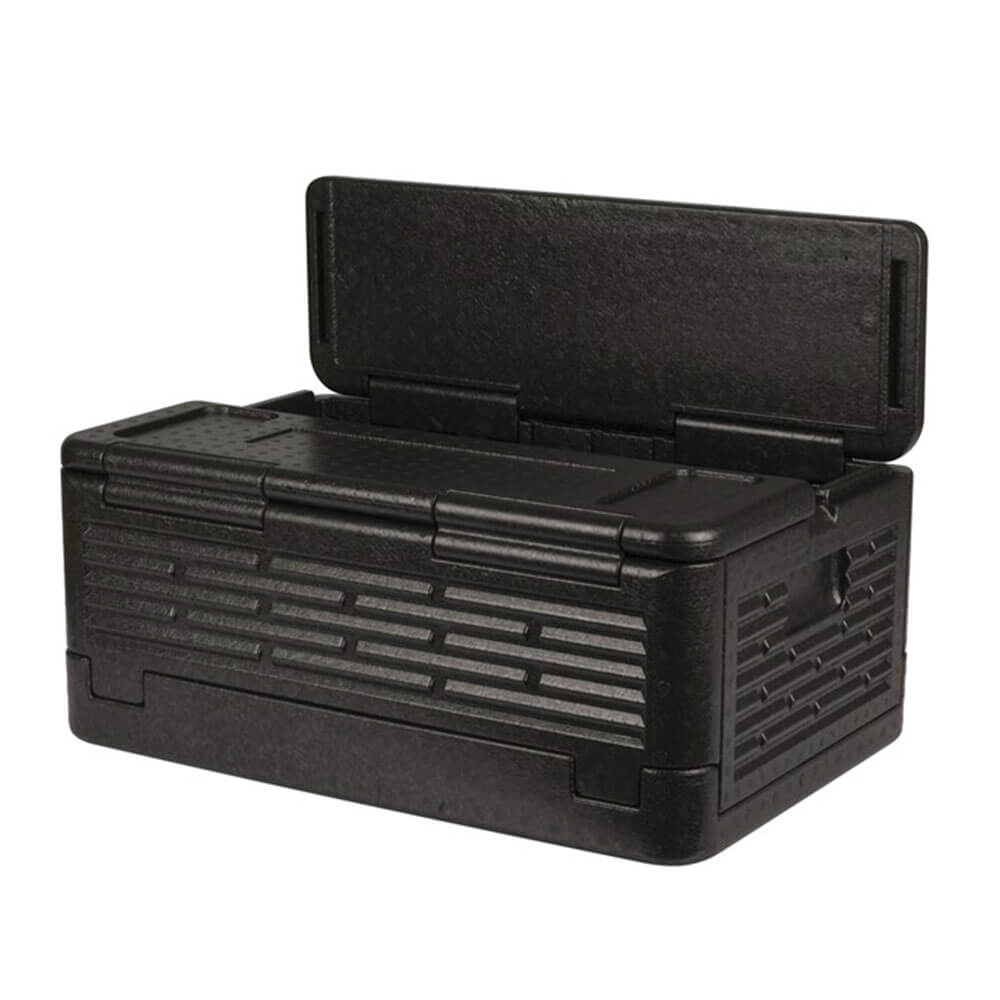
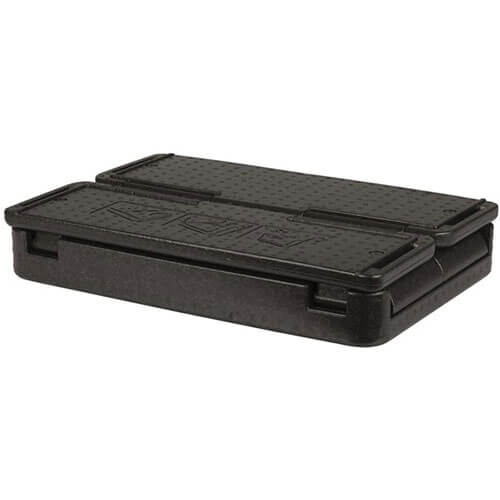
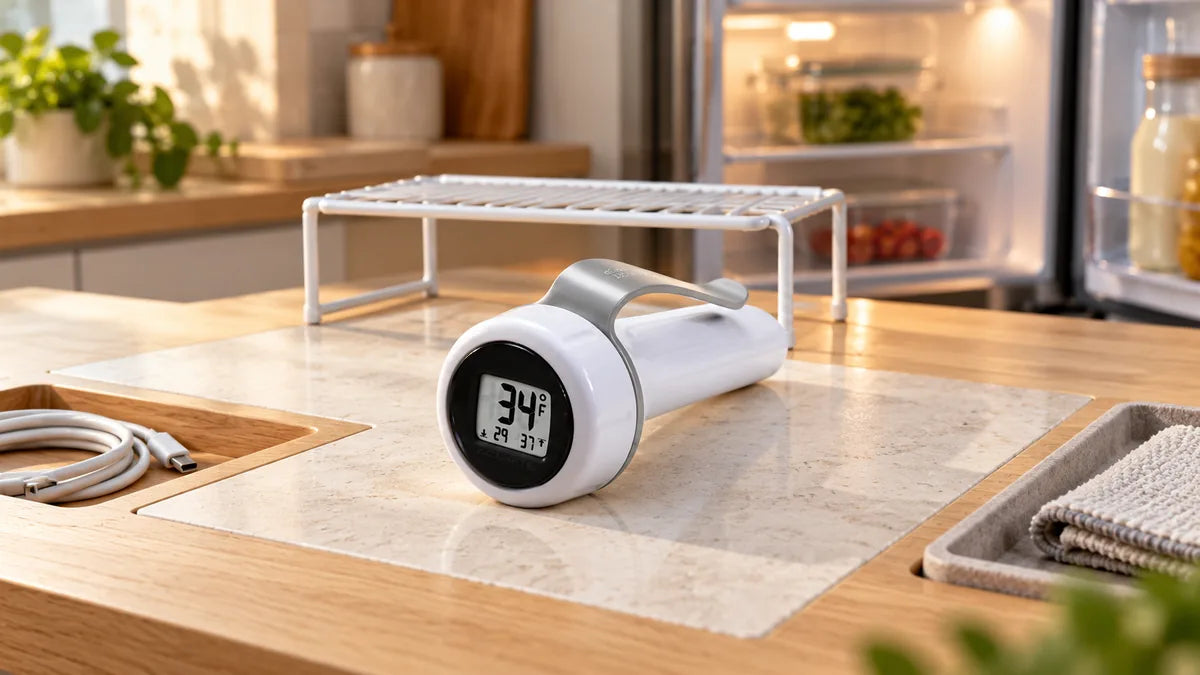
Once a category feels right, examine the practical details. Product photography can make a sizeable box look stocking-friendly and a fiddly object look effortless. Check listed dimensions rather than judging scale from an isolated image.
If the item must physically fit, measure the stocking opening as well as its length. Allow room for protective packaging. Fragile items should remain properly protected; there is no prize for making glassware squeeze past the knitted cuff.
Budget deserves the same attention. Set a total for each stocking before choosing individual items, then include any necessary batteries, refills or accessories. Several inexpensive purchases can quietly become a substantial gift budget. If it suits your spending limit, use gifts under $30 as a starting point, then assess recipient fit rather than treating the collection label as the whole decision.
Before buying, check:
- Independent use: does it work by itself, or need a device, base game, subscription or specialist equipment?
- Power and preparation: are batteries, charging, assembly or other supplies required?
- Care: will it need hand-washing, careful storage or maintenance the recipient is unlikely to want?
- Fit: will it suit the relevant bag, drawer, device or display space?
- Warnings and household context: are there age restrictions, small parts or other concerns around children and pets?
These checks help clarify category trade-offs. An electronic novelty may create a memorable opening moment but need charging. A small game can be enjoyed repeatedly but needs suitable players. A keepsake can feel personal while adding a permanent display obligation. A practical tool may earn regular use but only if it suits a task the recipient actually does.
When Christmas shopping starts to feel rushed, resist choosing something merely because it is small and available to browse. Check the retailer's current purchasing and fulfilment information before committing, and allow time to resolve uncertainty. A rushed guess does not become more thoughtful because it has festive wrapping.
When you are stuck, make the first use obvious

If you cannot verify a favourite franchise, device model or specialist preference, reduce the number of assumptions. Look for something self-contained, easy to understand and connected to one thing you do know about the recipient.
For a reader, that might mean a bookmark rather than an electronic accessory. For a puzzle enthusiast, a standalone challenge may be easier to choose than an unfamiliar game expansion. For someone who dislikes accumulating objects, a small consumable they already enjoy can make more sense than another ornament-provided you know their dietary requirements and preferences.
You can also make a modest gift feel more personal through the reason behind it. A short note explaining "for your train puzzle sessions" or "for the bag you take on every weekend away" shows that you noticed. The connection does more work than adding another random item.
Use LatestBuy's Christmas Stocking Fillers collection with that first-use moment in mind. Compare possible gifts against the recipient's routine, then read the details that could rule an item out. Once you find something with a clear purpose and a little personality, you do not need to keep filling space.
A stocking can hold a useful helper, a good laugh or a small spark of nostalgia. The best choice is the one that makes the recipient think, "Yes, that's very me."
For the next browse step, compare the fit against LatestBuy gift guide.