The best Black Friday gift is not necessarily the one with the largest discount. It is the one that suits the recipient, earns its place in their life and costs an amount you are comfortable spending once every extra is counted.
A useful definition is simple: real gift value combines recipient fit, likely use or delight, suitable quality, longevity and a sensible total cost. A deeply reduced gadget that needs the wrong connector is poor value. A modestly priced game that becomes a family favourite may be excellent value. The discount matters, but it does not get the final vote.
Black Friday falls on Friday, 27 November 2026, according to Timeanddate's 2026 calendar. The smart move is to decide what good value looks like before the sale noise begins. Start with a broad gift guide organised for discovery, narrow your options by recipient and use case, then compare the details that could turn an exciting find into cupboard exile.
A discount is evidence, not the verdict
Black Friday has a way of making otherwise sensible maths feel strangely elastic. A large percentage, a ticking clock and a bright label can create urgency before you have decided whether the item is even right. Reverse that order: judge the gift first, then decide whether the offer improves its value.
Begin by comparing the exact item rather than two products that merely look similar. Check the model, size, materials, functions and included accessories. A lower-priced version may have fewer features or different dimensions; a bundle may contain useful extras or several things the recipient will never touch. Like-for-like comparison prevents the discount sticker from doing all the theatrical work.
The reference price deserves attention too. Ask what the reduction is being measured against and compare the final payable amount with other suitable options. You do not need to conduct a forensic investigation worthy of prime-time television. You do need enough information to understand what you are getting for your money.
Before buying, confirm:
- The exact version. Match the model, dimensions, colour or format you intended to purchase.
- What is included. Check whether pictured accessories, batteries, refills, stands, cases or attachments are part of the item.
- The final cost. Consider delivery charges and any necessary add-ons rather than looking only at the displayed product price.
- The practical conditions. Read available returns, warranty and care information, particularly for electronics, fragile items and gifts involving personal taste.
- Your original reason. If you would not have considered the gift without the discount, pause and work out whether you have discovered a clever option or simply met a persuasive red label.
It helps to set a maximum price before Black Friday. Base it on your total gift budget and how strongly the item suits the recipient - not on the claimed saving. Once an option exceeds that amount, it needs to offer meaningful extra value rather than merely more features.
Recipient fit beats raw bargain power
A bargain becomes a good gift only when it lands with the right person. Recipient fit means matching the item to somebody's routine, interests, living situation and sense of humour. It also means noticing what would create friction: limited storage, unwanted maintenance, a steep learning curve or the unmistakable possibility that they own two already.
Look for evidence in ordinary life. What do they repeatedly borrow, complain about, carry, repair, organise or suggest doing together? Someone who is constantly improvising a phone stand at their desk may appreciate a useful setup improvement. A person who hosts relaxed weekends may get more from a shared activity than from another decorative object. These small observations are generally more reliable than broad labels such as "tech person" or "hard to buy for".
Relationship and occasion pressure matter as well. A close friend may enjoy an oddly specific joke that would be risky for a colleague. A milestone occasion can support something sentimental or lasting; a casual exchange may call for a lighter, less personal choice. Funny gifts work when the humour feels affectionate and appropriate. If the joke depends on embarrassing the recipient in front of other people, the saving is unlikely to rescue it.
Use these questions to test recipient fit:
- Where would they use, play with or display it?
- How soon can you imagine that first use happening?
- Does it match an interest they actively enjoy rather than one they mentioned three years ago?
- Is it suitable for their age, life stage and available space?
- Does it demand knowledge of size, compatibility, taste or an existing collection?
- Would it still make sense without the Black Friday promotion?
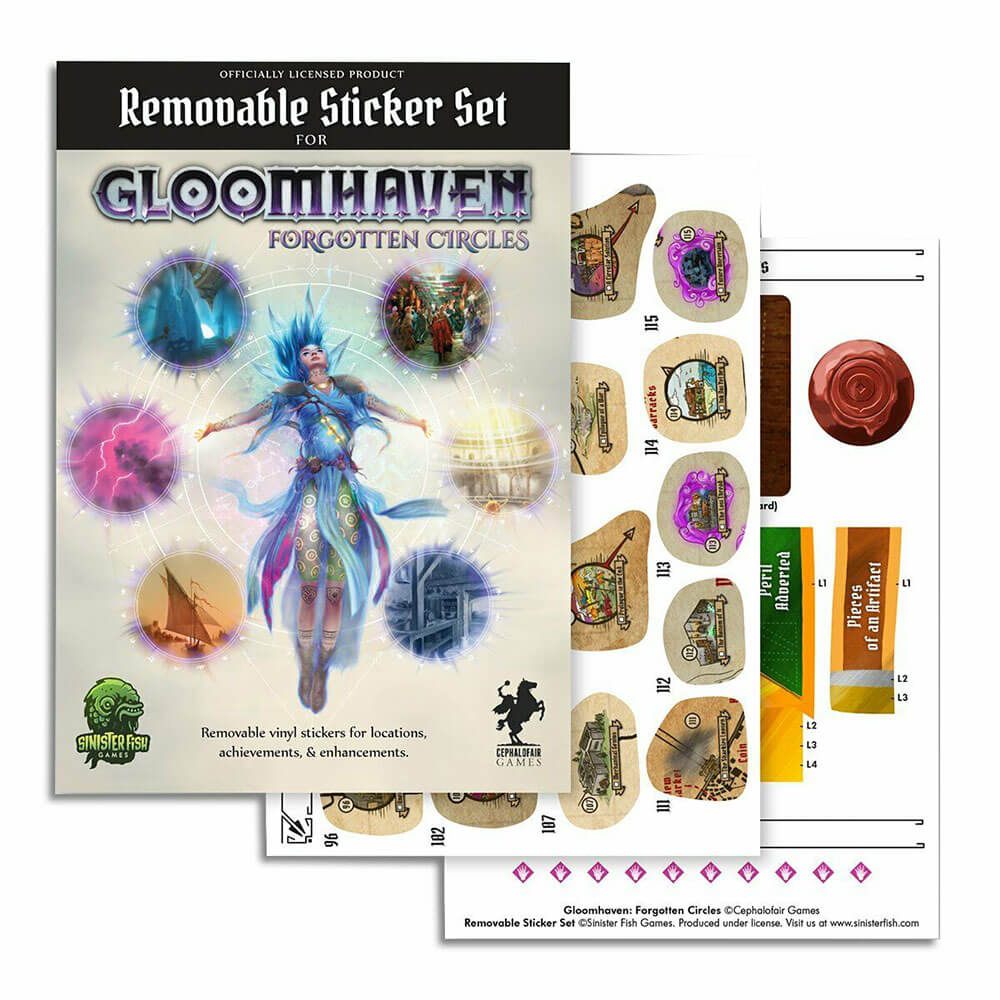
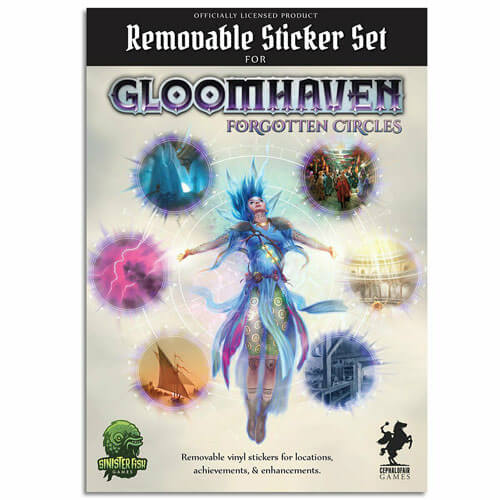
For a practical recipient, electronics and gadgets can offer everyday usefulness, but compatibility and setup matter more than novelty. Check the device, power and space requirements before choosing. For people who prefer shared time to more stuff, Family Games provide a different route: think about group size, playing time, complexity and whether the likely players will actually gather around the same table.
The strongest choice is rarely "best for everyone". It is best for this person, in this relationship, on this occasion. That narrower target makes shopping easier - and rather less chaotic.
Practical, playful and lasting gifts create value differently

Not every worthwhile gift needs to solve a problem. Some earn their value through frequent use; others create a memorable moment, support a hobby or become part of a tradition. The important step is deciding which kind of value you are buying.
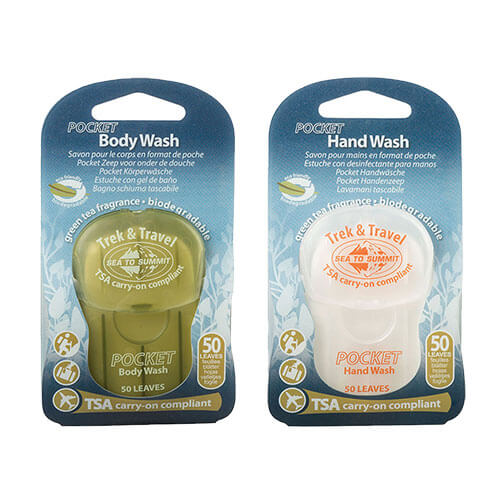
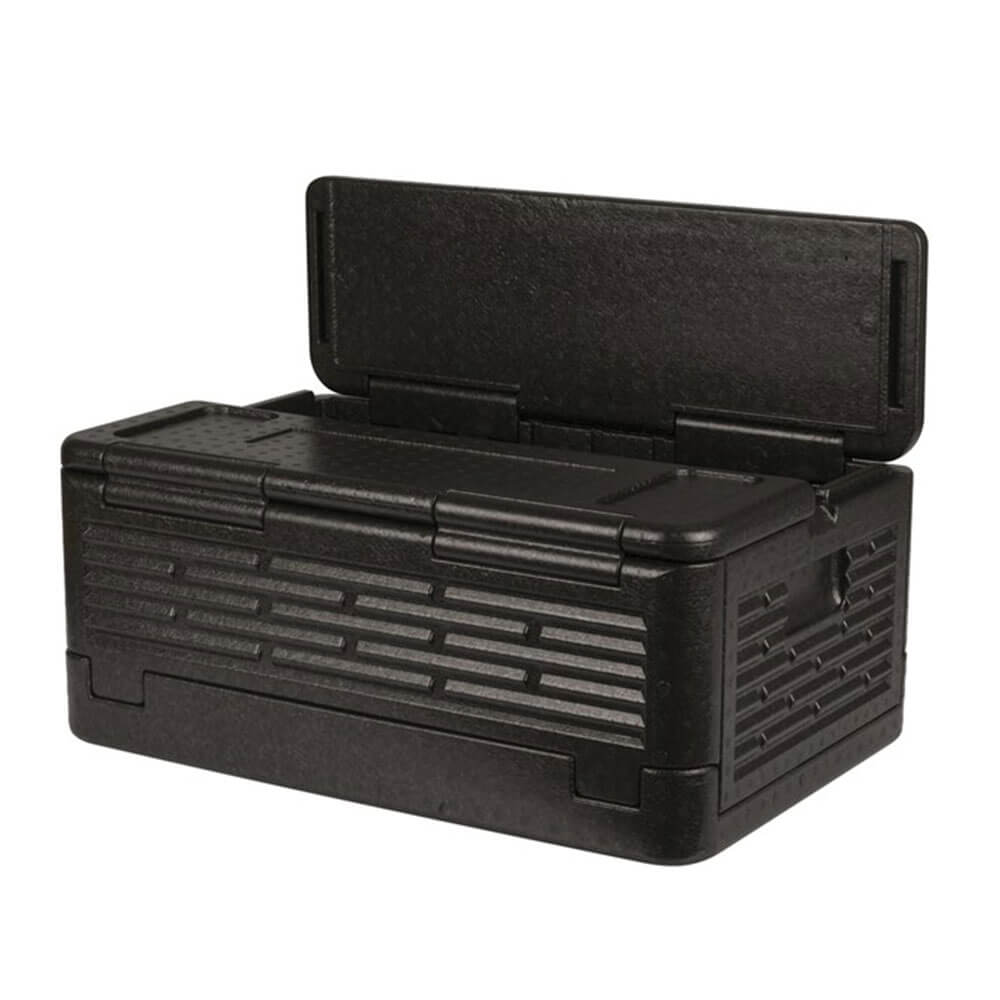
Practical value comes from reducing a small annoyance or improving a familiar routine. Think desk helpers, kitchen tools, travel accessories, organisers and useful gadgets. These gifts are strongest when you can name the situation they improve: the rushed morning, the cluttered workspace, the weekend trip or the recipe that involves checking the oven every four minutes. Their main risks are duplication, compatibility and accidentally giving someone a chore disguised as an appliance.
Playful value comes from laughter, interaction or surprise. Games, puzzles and novelty gifts can be excellent choices when they match the recipient's humour and social habits. Ask what happens after the unwrapping. Will people play it that evening? Will it become part of game night? Does the funny object have a use beyond delivering one punchline? Novelty is not automatically wasteful, but it needs a reason to exist after its dramatic entrance.
Lasting or sentimental value comes from personal meaning, collectability or display appeal. This path suits recipients with recognisable tastes, but it brings more buying risk. Check whether the item fits their collection, whether they prefer objects boxed or displayed, and whether there is room on the shelf. For fandom-related gifts, confirm the specific series, character or era they enjoy rather than treating an entire genre as one large interest. "Likes science fiction" is a clue, not a complete purchasing instruction.
Budget changes the trade-offs without changing the logic. A small gift can still feel thoughtful when it connects to a real habit or shared joke. Browsing gifts under $30 can be useful when you have several recipients or a firm spending limit, but the filter should narrow the field rather than lower your standards. Within any budget, favour one coherent idea over a pile of unrelated little things chosen because each looked inexpensive.
If you are caught between practical and playful, consider the recipient's tolerance for surprise. Some people want a gift they can use immediately without deciphering why you bought it. Others enjoy the slightly strange, "where did you find this?" reveal. Neither route is inherently better. Value comes from knowing which reaction you are shopping for.
Read quality, longevity and total cost together

Quality is not the same as luxury, and a higher price does not prove that something will last. For gift shopping, suitable quality means the item appears capable of doing its intended job for a reasonable period, with details clear enough for you to judge the risk.
Read beyond the headline description. Dimensions reveal whether a desk accessory will fit or a display item will dominate the room like an unexpected tenant. Materials can indicate likely durability and care needs. For electronics, look for compatibility, power requirements and included components. For games, check player count, age guidance and expected complexity. For kitchen or travel items, consider cleaning, storage and portability.
Product information should help you answer practical questions such as:
- Can the recipient use this without buying another essential component?
- Is it suited to how often and where they are likely to use it?
- Are care, assembly or maintenance requirements reasonable?
- Do the photographs and specifications make the size and function clear?
- Is there enough information to distinguish this item from a cheaper or more expensive alternative?
When key information is missing, treat the uncertainty as part of the cost. That does not automatically make the product unsuitable, but it should stop you from assuming the rosiest possible answer.
Longevity also needs a flexible definition. A sturdy tool may deliver value through years of regular use. A game could justify its place through repeated evenings with friends. An art or hobby item might be consumed while creating something meaningful. A novelty gift may have a shorter physical life but still succeed if it creates a genuinely memorable experience. The question is not simply "Will this last forever?" It is "Will its useful or enjoyable life make sense for what I am spending?"
Then calculate the all-in commitment. Depending on the category, that may include delivery, batteries, accessories, refills, subscriptions, maintenance or display space. It also includes effort. A gift that requires complicated setup, specialised storage or regular care may be excellent for an enthusiast and annoying for everybody else.
This is where budget comfort matters. Choose an amount you can spend without relying on the emotional lift of a claimed saving. A gift sitting comfortably within budget leaves room for unavoidable extras and reduces the temptation to justify a poor fit because it once had a higher reference price.
A pre-sale plan keeps budget and judgement intact

Black Friday shopping becomes simpler when each recipient has a small decision note rather than an enormous wish list. Before 27 November, write down the person, the occasion, your all-in budget and the kind of value you want the gift to provide. Add any deal-breakers, such as limited space, device compatibility, dietary considerations, age suitability or public appropriateness.
Next, choose a few credible candidates across no more than two relevant categories. You are not committing to buy all of them; you are creating points of comparison. Record enough detail to recognise the exact version later. This matters when similar models, formats or bundle configurations appear side by side.
On Black Friday, work through the candidates in this order:
- Reconfirm recipient fit and the intended use.
- Verify the exact model, size, format and inclusions.
- Compare the final cost against your pre-set budget.
- Review available delivery, returns and warranty information.
- Decide whether the offer meaningfully improves the value.
- Leave it behind if urgency is the strongest argument for buying.
A pause is especially useful for novelty purchases. Imagine the gift one month after it is opened. Is it being used, played with, displayed or fondly remembered? Or is it silently occupying a drawer while everybody avoids discussing it? Black Friday can reward quick decisions, but it does not require careless ones.
Your safe fallback path should still be connected to the recipient. If a specialised option becomes too uncertain, simplify the category rather than abandoning the person's interests. Replace a compatibility-sensitive gadget with a more straightforward practical item. Choose a broadly playable activity instead of a niche game. Reduce the scale of a collectible or decorative idea if storage is a concern.
When you need fresh candidates, top-selling gift ideas can show useful starting points, but popularity is not a substitute for personal relevance. For a wider reset, use LatestBuy's gift discovery hub to change direction by recipient, occasion or category rather than scrolling through unrelated options until everything starts looking plausible.
The final test is wonderfully unglamorous: would you still feel good giving this gift if nobody mentioned the discount? If the answer is yes - and the quality, total cost and timing all hold up-you have probably found genuine value. If the answer is no, you have not missed a bargain. You have avoided buying an impressive percentage sign with an object attached.