A Sweet 16 is a 16th birthday celebrated as a coming-of-age milestone. It might be a formal party, a backyard movie night, dinner with family or simply a birthday given a little extra significance. There is no universal ceremony, dress code or compulsory gift - and no rule saying the celebration belongs to one gender.
That sounds straightforward until an invitation arrives and the words Sweet 16 make an ordinary birthday gift suddenly feel suspiciously inadequate.
Picture Jordan, an older cousin invited to Zoe's celebration. The invitation promises pizza, an outdoor film and games. Jordan knows Zoe likes photography, colourful room décor and having friends over, but there is no wish list. Is this an occasion for jewellery? A keepsake? Something entertaining? A substantial contribution towards the party?
Following that one decision reveals what Sweet 16 means, where the tradition came from and how to choose a celebration or gift without turning the milestone into a small wedding with homework.
The invitation arrives: what Sweet 16 really means
Jordan's first useful discovery is that Sweet 16 describes the milestone, not the format. Sixteen sits between childhood birthdays and adulthood, so the celebration often acknowledges growing independence, changing interests and a more mature social life. The teenager may have greater freedom, more responsibility and a much clearer opinion about what should happen at their own party. That last part tends to be expressed quite confidently.
Some families make the occasion formal, complete with speeches, dancing and ceremonial moments. Others organise a sleepover, restaurant meal, games night, picnic or day out. Plenty simply add one memorable element to a familiar birthday. Outside the places where Sweet 16 parties are especially established, families may use the term loosely to mean "sixteenth birthday, but make it feel important".
The phrase also does not automatically mean a girls-only celebration. Although older depictions often centred young women, modern Sweet 16 parties can celebrate any sixteen-year-old. Nor is the event a religious rite or a legally defined transition. Its meaning comes from the family, the teenager and the way they choose to recognise the year.
For Jordan, this changes the task immediately. Zoe's casual invitation does not require a formal or expensive response. It calls for a gift that suits her version of the occasion: social, relaxed and centred on time with friends.
Use this occasion-fit checklist before deciding how to mark the milestone:
- Ask what kind of celebration the recipient would genuinely enjoy.
- Match the scale of the event to the family, friendship group and budget.
- Keep the focus on the young person rather than copying a tradition automatically.
- Choose a gift or gesture that fits your relationship and the tone of the occasion.
- Check cultural and family expectations before planning ceremonial details.
- Prefer a thoughtful, age-appropriate moment over an unnecessarily elaborate production.
The history explains why sixteen feels unusually significant
There is no single inventor or founding date behind the Sweet 16 tradition. It developed from several overlapping ideas: older coming-of-age customs, formal social presentation traditions and the long-standing cultural habit of treating sixteen as the point when adolescence begins to feel more grown-up.
In parts of North America, sixteen also became associated with practical independence. Depending on location and circumstances, it can be an age at which teenagers become eligible to begin driving, take on more work or gain new social freedoms. Popular songs, films, television and magazines then helped turn "sweet sixteen" into familiar shorthand for a major birthday. The modern party is therefore less an ancient ceremony than an evolving cultural tradition.
Sweet 16 should not be confused with a quinceañera. A quinceañera generally marks a fifteenth birthday and has distinct roots in Latin American family, community and, for some families, religious traditions. A debutante ball is also different: it is a formal social presentation with its own history and conventions. Families may borrow or combine elements from different celebrations, but one does not automatically inherit the rituals of another.
The word sweet is not a behavioural requirement, either. It reflects an affectionate, idealised way of describing youth rather than a demand that the birthday person become a picture of grace for twenty-four hours. For a more detailed look at how the custom developed, explore Gift Ideas The Origin Of Sweet Sixteen.
This background helps Jordan understand why Zoe's family wants the day to feel distinctive without making it formal. The importance lies in recognition: everyone is pausing to say, "You are growing up, we see it, and we are glad you are here." The gift should support that message rather than compete with it.
The party plan reveals what the teenager wants from the day

Jordan looks again at the invitation. The outdoor film suggests shared entertainment. Pizza keeps the atmosphere casual. Games give guests something to do before the screen comes on, particularly useful when several friendship groups are meeting for the first time and conversation has not yet left the runway.
For parents planning a Sweet 16, this is where the celebration usually succeeds or becomes an elaborate event the teenager must politely endure. The young person should have meaningful input into the guest list, atmosphere and main activity. A parent can still establish boundaries around budget, timing, supervision, transport and household rules, but the event should reflect the teenager's actual social style.
A confident extrovert may enjoy dancing, group photos and a lively crowd. A quieter teenager might prefer dinner with close friends, a creative workshop or an evening built around films and games. Choosing one strong shared activity often works better than packing the schedule with forced fun. Nothing empties a dance floor quite like an adult announcing that dancing is now mandatory.
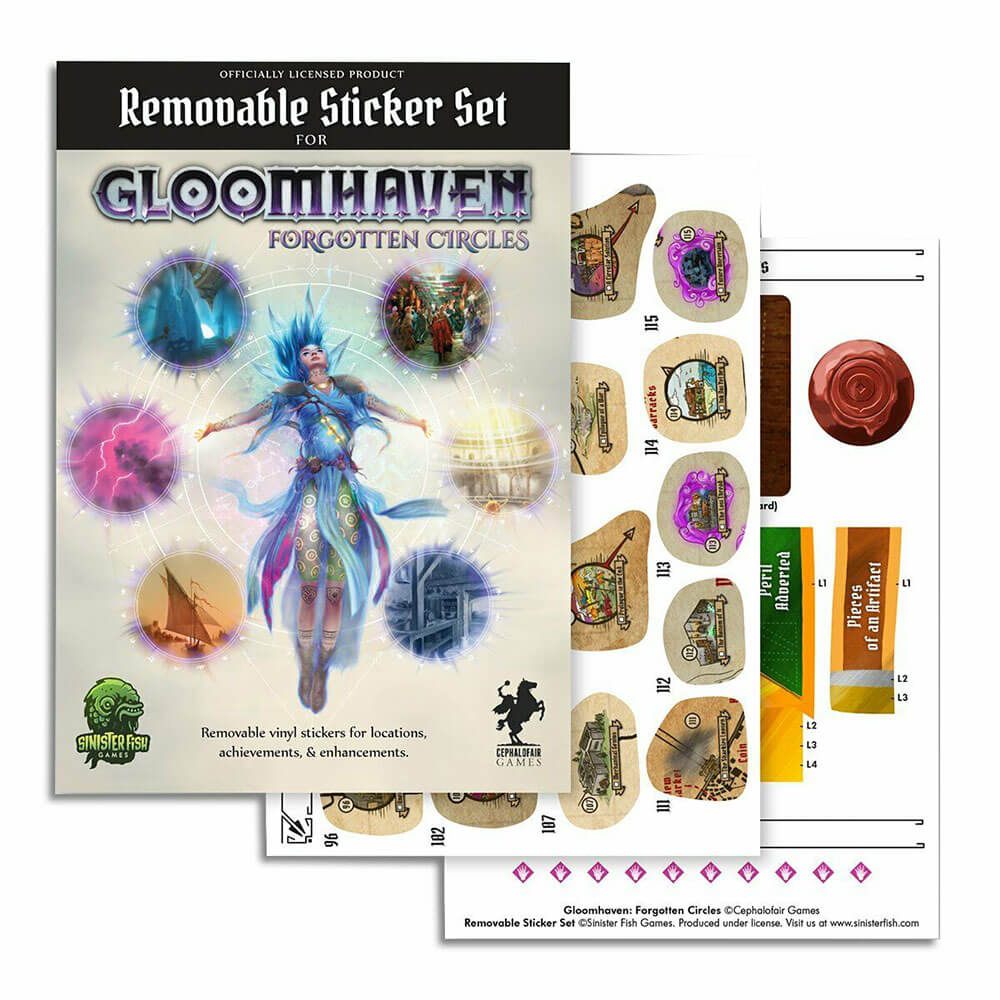
Zoe's movie - and-games plan also suggests that an activity-led gift could fit naturally. A compact, age-appropriate game can become part of the evening or create another reason for friends to gather later. Jordan browses family games and group activities, paying attention to likely player numbers, complexity and whether the humour suits teenagers and adults in the same room.
The practical details matter as much as the theme. Outdoor events need a weather alternative. Food plans should account for known dietary needs. Music, decorations and photo areas should complement the main activity rather than create five competing party concepts. The result does not need to resemble a production set; it needs to make Zoe and her guests comfortable enough to enjoy themselves.
That reduces the occasion pressure. Jordan is no longer shopping for an abstract coming-of-age ritual. Jordan is choosing something for a specific person, in a specific setting, with a clear idea of how the evening will unfold.
The shortlist changes when each gift is imagined in real life

Jordan now considers several gift paths, but not as a random catalogue sweep. Each one gets mentally placed in Zoe's hands after the party.
A keepsake could mark the age directly. A photo album, frame, memory box, piece of jewellery or handwritten collection of family messages can give the birthday lasting emotional weight. This works especially well from a parent, grandparent, sibling or close relative with shared history. The category trade-off is personal taste: highly decorative objects, jewellery styles and overtly sentimental messages can miss if the giver knows the milestone better than the teenager.
An activity gift suits the social nature of Zoe's celebration. Games, puzzles or entertainment accessories offer something to do rather than another object to display. They are often a good fit from friends, cousins and family groups because they create future moments without implying unusual intimacy. The risk is duplication or choosing something designed for the wrong audience, player count or attention span.
A room or desk gift acknowledges that personal space matters at sixteen. Ambient lighting, useful electronics, desk accessories and compact gadgets can help a teenager shape a room around emerging tastes. Jordan explores electronics and gadgets, but pauses before choosing anything large or technically demanding. Room dimensions, power access, household rules and aesthetic preferences can turn a clever idea into cupboard archaeology.
A hobby-related gift can be the most personal option when the interest is known precisely. The important word is precisely. "Likes photography" does not necessarily reveal which equipment, accessories or formats Zoe uses. "Enjoys gaming" is equally broad. Enthusiast categories contain compatibility issues, duplicate risks and strong preferences, so guessing at specialised equipment can be expensive theatre.
Budget comfort also shapes what remains on the list. A Sweet 16 does not create a standard spending requirement. A parent may choose to fund an experience or contribute towards a major goal, while a school friend may bring a modest personal gift. Both can be appropriate. Jordan checks gift ideas under $30 to see what works at a comfortable cousin-level budget rather than allowing the milestone label to inflate the decision.
At this point, the strongest possibilities are a compact group game, a small room accessory or a photo-based keepsake. Each reflects something Zoe enjoys, but each carries a different consequence. The game encourages future gatherings. The room item becomes part of her daily environment. The keepsake makes the birthday itself the focus.
One quick conversation removes the costly mistakes
Jordan messages Zoe's parent with three unobtrusive questions: Is there a wish list? Are friends already giving games or room décor? Is there anything the household does not want added to Zoe's room?
The reply is revealing. Zoe has been trying to reduce clutter, several friends are contributing printed photos for the party, and she enjoys games that can be learned quickly. There is no formal gift registry, but compact and social would suit her better than a large display piece.
That conversation does not ruin the surprise. It protects it from becoming a surprise in the wrong direction.
This is particularly useful when buying technology, clothing, collectables or hobby gear. Compatibility, size, storage space and duplicate ownership can matter more than how impressive the gift looks online. For a recipient turning sixteen, age appropriateness matters too. Adult drinking products, risqué humour and gifts that create embarrassment in front of family are poor choices unless the situation has been very clearly misunderstood - and for a sixteenth birthday, they are best left out entirely.
Jordan could continue with a broad birthday gift guide, but now uses it with context: compact, social, age-appropriate and not overly sentimental. If there were still no useful clues, browsing popular gift ideas could reveal widely appealing categories, though popularity would remain a starting point rather than proof of recipient fit.
The same conversation helps parents planning the celebration. Ask the teenager which parts matter most before spending heavily on decorations, entertainment or ceremonial details. A smaller event with the right people may feel more significant than a lavish party built around somebody else's idea of sixteen. The day should recognise growing independence, not demonstrate how efficiently adults can overrule it.
The final choice works because it matches the relationship

Jordan chooses an all-ages group game that is compact, quick to explain and suitable for Zoe's relaxed gathering. A handwritten card includes a short memory and a birthday message without attempting a full emotional documentary. The gift is playful enough for a cousin, useful beyond the party and personal because it connects with how Zoe likes to spend time.
A parent might reasonably make a different final choice. If Zoe had been saving towards a meaningful experience or practical goal, a contribution agreed in advance could carry more value than a surprise object. A grandparent with treasured family photos might choose a keepsake. A close friend could select something small tied to a shared joke, creative interest or regular activity.
The lesson is not that one category always wins. It is that an appropriate Sweet 16 gift reflects three things at once: the recipient's current interests, the giver's relationship to them and the kind of celebration taking place. Price cannot repair a mismatch between those elements.
A Sweet 16 matters because it gives family and friends a chance to recognise change without pretending adulthood arrives fully assembled at midnight. The celebration can be formal or casual, sentimental or gloriously silly. The gift can be memorable without being monumental.
If your invitation offers fewer clues than Zoe's, begin with LatestBuy's gift discovery paths and browse with the real person in mind: what they do with friends, what they use in their own space and what would still make sense once the candles are gone. That is usually where the right idea stops hiding.
For the next browse step, compare the fit against electronics and gadgets.