A 21st birthday matters because it offers a moment to recognise growing independence, shared history and the life ahead. Its significance can be personal, cultural or family-based - not necessarily linked to a new legal right. The most meaningful celebration, and the most thoughtful gift, reflect what turning 21 means to the person celebrating.
For one person, that might be a family keepsake and a heartfelt speech. For another, it is a relaxed dinner, something useful for a favourite hobby or help with a plan they have chosen. The number marks the occasion; the person gives it meaning.
A milestone does not need a new legal entitlement
A coming-of-age celebration and a legal entitlement are different things. Turning 21 does not unlock the same rights everywhere, and it should not be presented as the universal starting line for adulthood.
In Australia, for example, the Australian Electoral Commission confirms that eligible Australian citizens aged 18 and over must enrol and vote. Turning 21 is therefore not the point when Australians first gain the vote. Other legal rules depend on the activity and jurisdiction; check the relevant official guidance rather than relying on birthday folklore.
That distinction does not make the celebration less worthwhile. If a family has long marked 21 with a gathering, speech or symbolic gift, continuing the custom can connect generations. It creates an opportunity to say, "We recognise who you are becoming, and we are glad to be part of your life."
An 18th birthday and a 21st do not have to compete for significance. They can carry different meanings within the same family. One celebration might acknowledge a legal change; another might bring together friends and relatives to recognise the person's experiences, relationships and hopes.
There is no requirement to have moved out, finished studying, started a career or mapped out the next decade. A 21st can acknowledge growing independence without turning into a progress report. Nobody needs a five-year plan ready for the cake cutting.
Traditions work best when their meaning is shared
A birthday tradition is more useful as an invitation than an obligation. Before organising a ceremony or buying a symbolic present, find out which parts the recipient actually values.
Start with a quiet conversation: would they enjoy speeches, family photographs or a meaningful presentation, or would they prefer those moments in private? Asking does not spoil the occasion. It prevents a well-intended surprise from becoming an endurance event.
Several familiar celebration elements can be adapted without losing their purpose:
- A symbolic key: If your family gives a key at 21, explain what it represents to you-perhaps trust, belonging or a new chapter. Do not assume everyone shares the same interpretation. A short personal explanation matters more than presenting it as a universal custom.
- Speeches and toasts: Use them to recognise a quality, tell a kind story or offer encouragement. Agree on speakers beforehand, keep contributions manageable and leave embarrassing disclosures out of it. Affection should be recognisable to the person receiving it.
- Photographs and memory collections: Choose memories the recipient would be happy to revisit. Ask before displaying sensitive childhood photographs or sharing them publicly. A private collection can be just as meaningful as a slideshow.
- A shared meal or gathering: Let the guest list and setting reflect their relationships and comfort. A small meal, picnic or game night can mark the milestone without needing to imitate somebody else's party.
You can also create a tradition rather than inherit one. Invite a few important people to contribute a memory, record messages from relatives who cannot attend or revisit a place connected to a happy shared experience. These are options, not additional birthday homework.
Keep the party and the present separate in your thinking. Someone who loves a big celebration may want an understated, practical gift. Someone who skips the party may still appreciate a keepsake or personal note. Alcohol is not a requirement for either the celebration or the gift.
The aim is recognition, not a performance of how a 21st is supposed to look.
Decide what the gift should mean before choosing a category

Instead of starting with "What do people get for their 21st?", start with "What do I want this gift to recognise?"
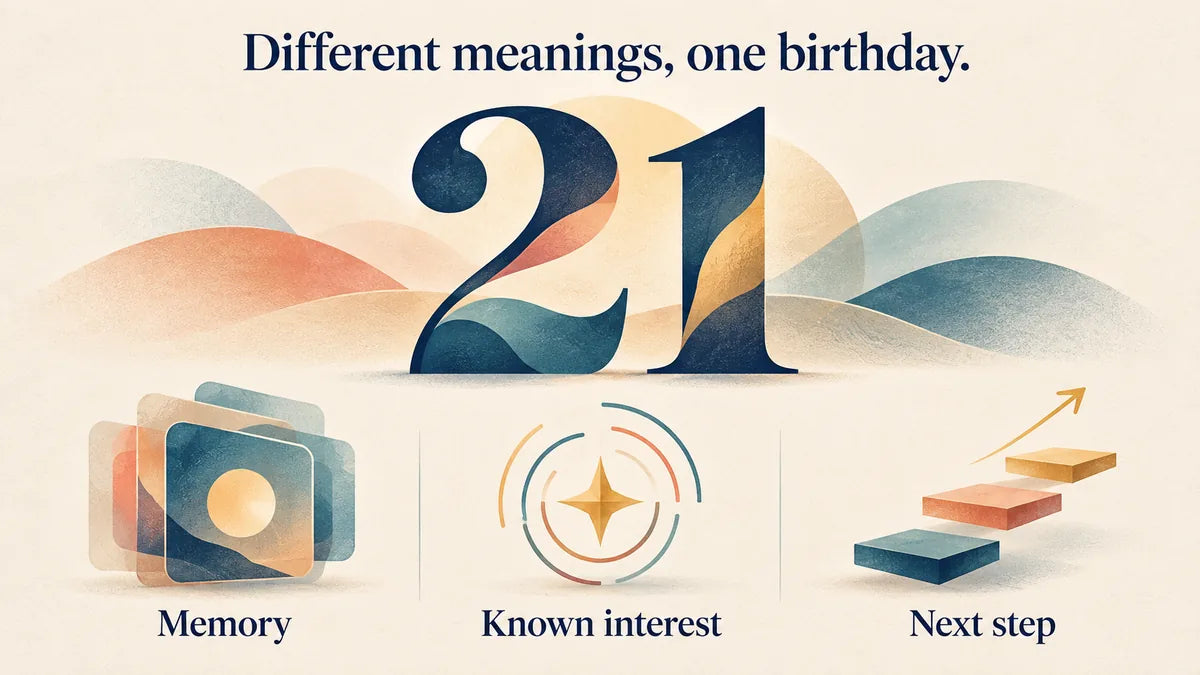
A useful gift can remember something, support an established interest or help with a next step. None of those purposes is automatically more thoughtful than the others. Choose the one that fits the recipient and your relationship.
Remember something that matters
A memory-led gift suits someone who enjoys photographs, family stories, meaningful objects or reminders of shared experiences. Its significance comes from the connection - not simply from having "21" printed on it.
For a close friend, that connection might be a trip, a long-running joke or an activity you have enjoyed together. For a family member, it might be a story passed between generations. A small keepsake with a specific explanation can carry more meaning than a grand object with no personal link.
Think about how they keep memories. Do they display photographs, save letters or prefer digital collections? A large display piece is not especially considerate if they are about to move into a small room. Sentiment still needs somewhere to live.
Support an interest they already enjoy
An interest-led gift says, "I notice what makes you happy." That might mean games, creative pursuits, cooking, reading, outdoor activities or an everyday fascination that regularly takes over the conversation.
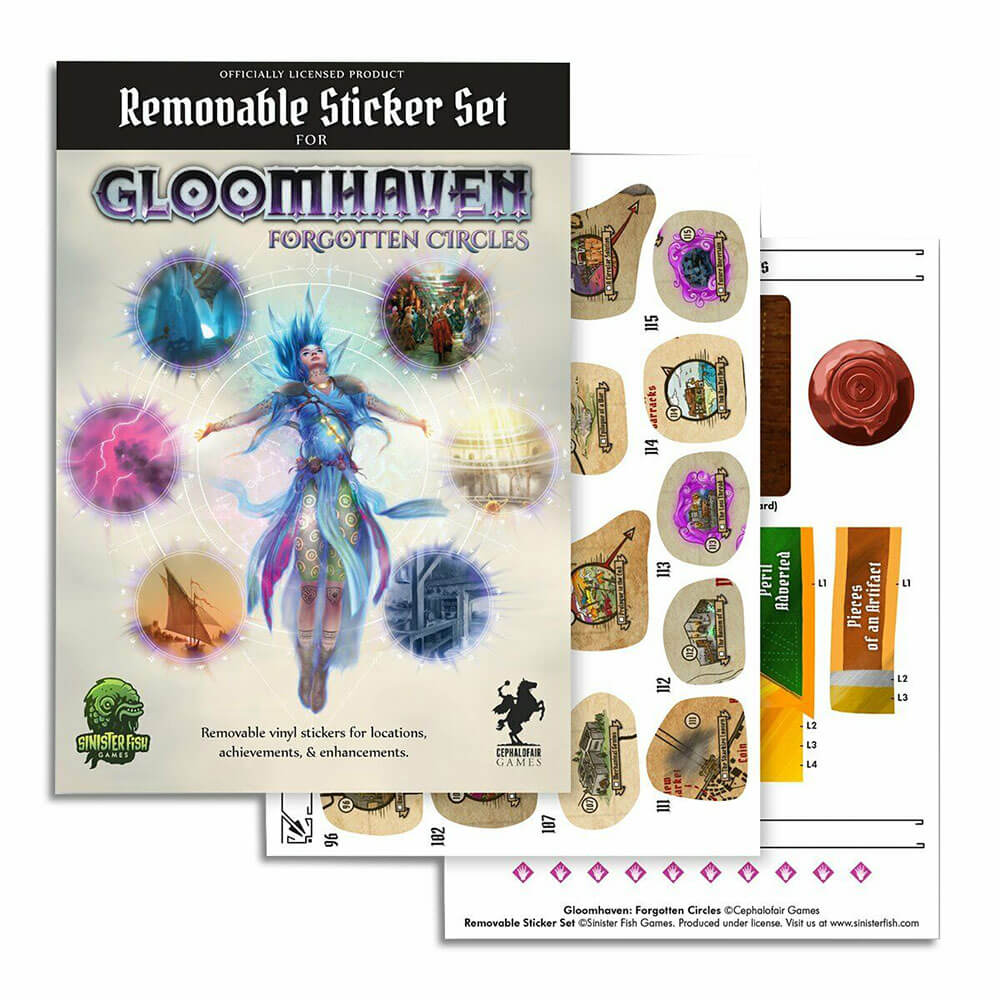
For someone who loves bringing people together, browsing Family Games can provide a useful starting point. Look beyond the theme: player numbers, session length and the effort needed to learn the rules determine whether a game suits their usual group. A quick shared activity and a lengthy strategy session offer very different evenings.
The same principle applies across hobbies. Choose for the way they participate, not merely the hobby's label. Someone who enjoys casual sketching may have different preferences from someone studying illustration.
When knowledge becomes specialised, ask about preferences or existing equipment. Curiosity is more helpful than a confident guess.
Help with a next step they have chosen
A practical gift can acknowledge independence without delivering a lecture about being grown-up. It works best when it supports something the recipient actually wants: study, work, travel, a new home or a project.
If they have mentioned a particular desk or device-related need, electronics and gadgets can be a relevant discovery path. Check compatibility, power requirements, size and what they already use before choosing. "Useful" needs a real use attached to it.
Be careful not to turn your hopes for them into their birthday present. Equipment for a career they have not chosen, or an organisational aid intended to correct their habits, may communicate something quite different from encouragement.
A practical gift becomes personal when the reason is clear: you listened to a plan and chose something that could help them pursue it.
Match the thought to their real life - and your budget

Keepsakes, practical gifts and playful surprises each have trade-offs. A keepsake may offer a lasting reminder but require storage or display space. A practical gift may be used regularly but depend on exact preferences or compatibility. A funny gift may capture your relationship beautifully-or fall flat when opened in front of relatives.
Before buying, make three straightforward checks:
- Meaning: Can you explain why the gift fits this person without referring only to their age? "You loved our weekly games nights" is a stronger reason than "It seemed like a 21st present."
- Preference: Does it reflect an interest, routine or tradition they genuinely value? Consider what they enjoy now, rather than relying entirely on childhood favourites or somebody else's description.
- Practicality: Will they have the space, opportunity and willingness to use or keep it? Include dimensions, care requirements, duplicates and any additional purchases needed to make it useful.
Your relationship matters too. A close friend may understand an affectionate joke that would feel awkward from a colleague or distant relative. If a gift relies on private humour, consider giving it privately. The recipient should not have to explain the punchline to the room.
Set your spending limit before browsing. A milestone birthday is not an invoice for an impressive present. If a smaller budget suits, the gifts under $30 collection offers a budget-led starting point. Keep the personal connection as the deciding factor rather than adding unrelated extras to make the gift look bigger.
For a group gift, agree on the intended purchase and contribution arrangements before collecting money. Keep contributions voluntary and avoid making people justify a smaller amount. Nominate one organiser to check the recipient's preferences, coordinate the purchase and explain what will happen if plans change.
If you remain unsure, ask what they would find useful or welcome a contribution towards. You can preserve an element of surprise in the presentation or message. Guessing is not a test of how well you care about someone.
Let the message explain why you chose it

The gift does not have to communicate everything by itself. A specific message can explain the connection between an ordinary object and an important birthday.
"I thought of you because..." is a useful place to begin. Follow it with a memory, an observation or something the recipient has told you. Then add a wish for the year ahead that leaves room for their own choices.
For a practical gift, that could sound like:
> "I thought of you because you've been so excited about setting up your new study space. I hope this earns its place there - and that there's still room for the things you enjoy."
For a memory-led gift:
> "This reminded me of our weekend trips and how you always found something interesting along the way. I wanted you to have a reminder of those days as you make new memories."
Neither message needs to offer profound advice about adulthood. Warmth and specificity do the work. "I admire how you make people feel welcome" says more than a borrowed slogan about reaching your potential.
Match the delivery to the person as well. An emotional note can be read privately; it does not need a microphone. If you are celebrating from a distance, a personal call or voice message can explain the choice without requiring a public post. Respect requests for a low-key birthday or no gifts rather than treating them as a challenge.
Once you know whether you want to mark a memory, support an interest or help with a chosen next step, explore LatestBuy's birthday gift range with that purpose in mind. Browse for the life they actually lead, whether that points towards something useful, playful, nostalgic or a little unexpected.
A meaningful 21st gift does not have to define adulthood. It simply needs to show that you have paid attention to the person reaching the milestone.
For the next browse step, compare the fit against LatestBuy gift guide.